


About Us
Conditions We Treat
Team approach and compassionate care for holistic heart health
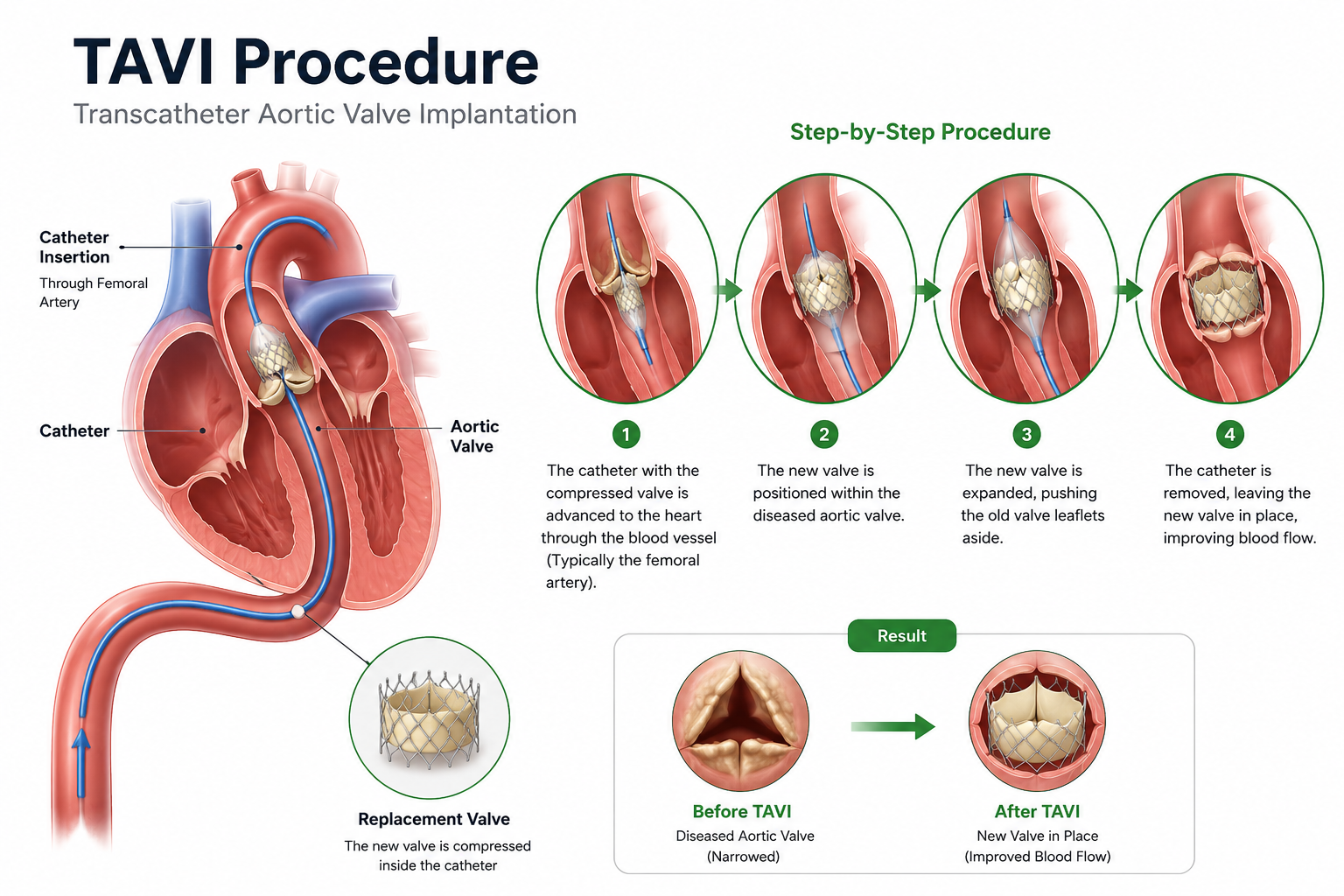
TAVI is a surgical procedure performed to replace a blocked or narrowed aortic valve in people who are at greater risk or too sick for open heart surgery. The TAVR(TAVI) procedure involves the implantation of aortic valve without even eliminating the old, damaged valve with the help of a catheter.
Advanced Technology
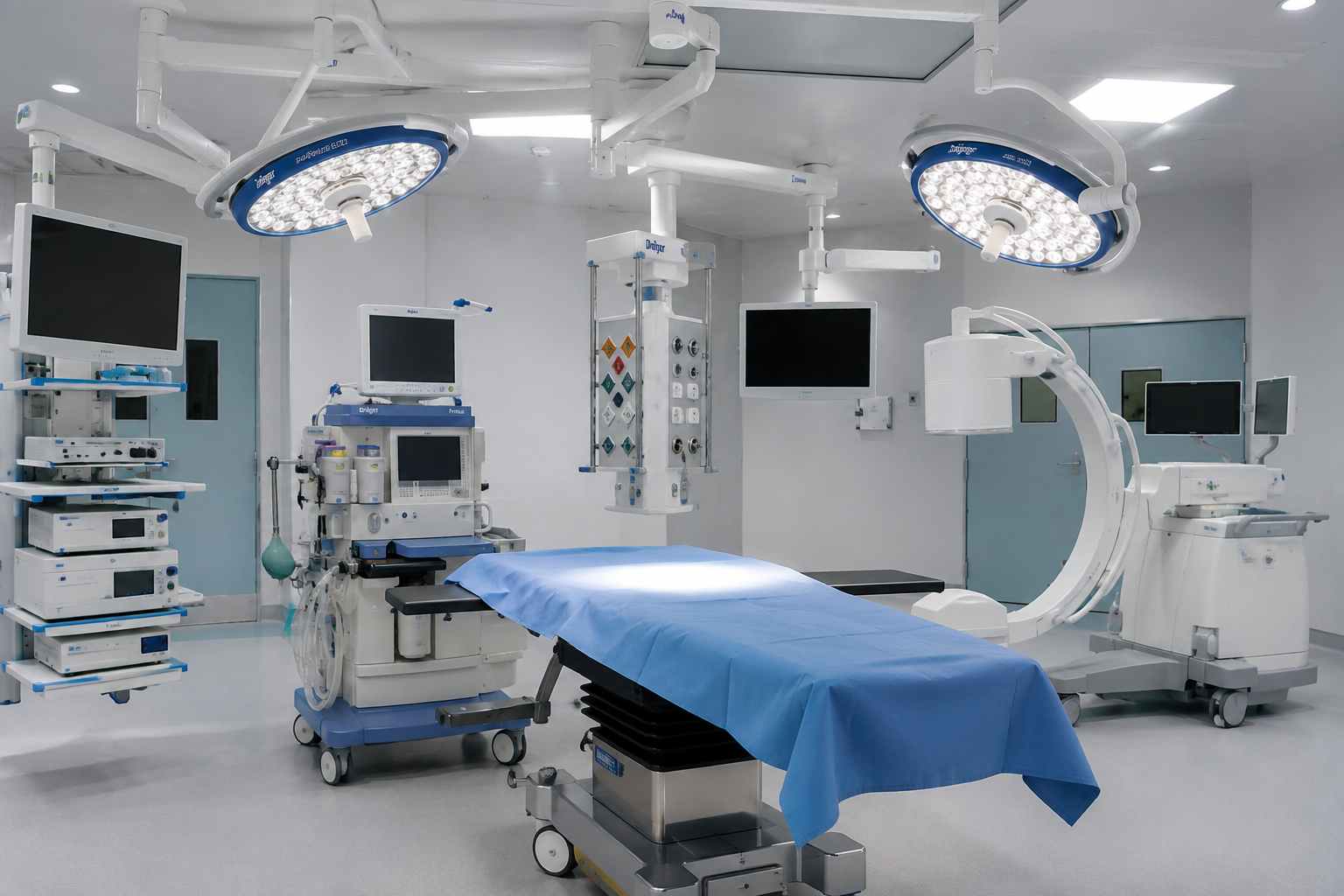
Artis-Zeego Endovascular Surgical Cath Lab
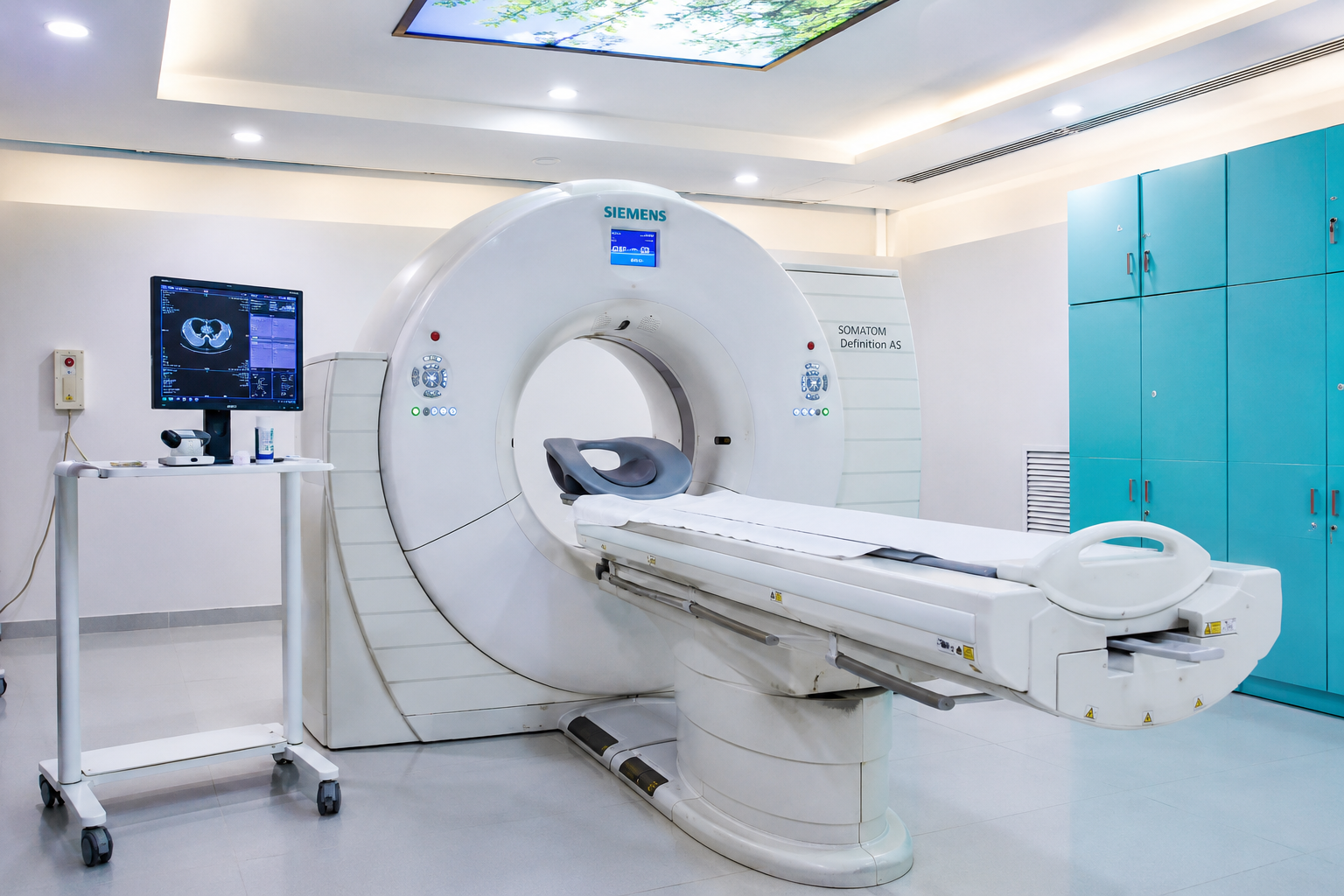
256 Slice CT
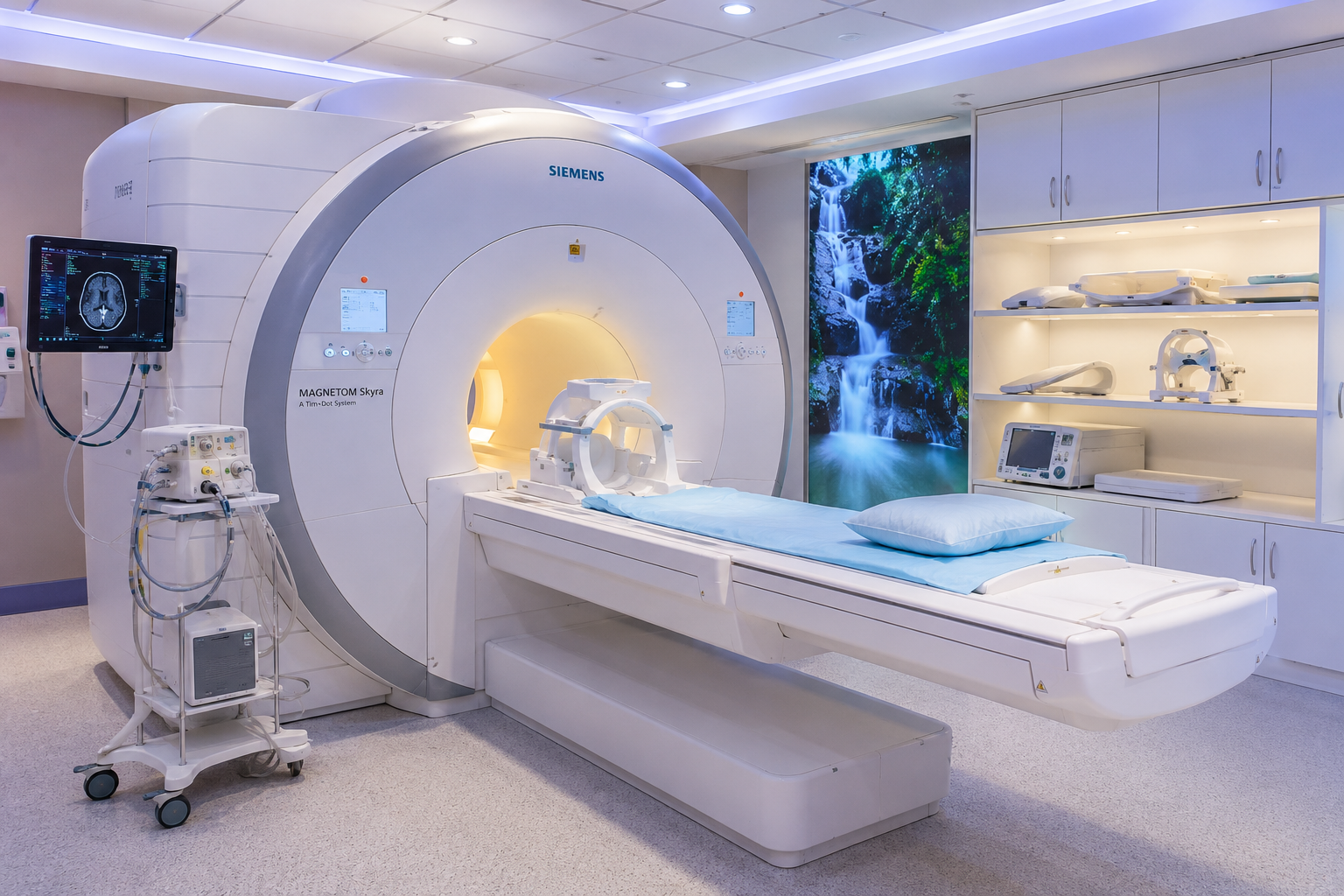
3.0 Tesla MRI
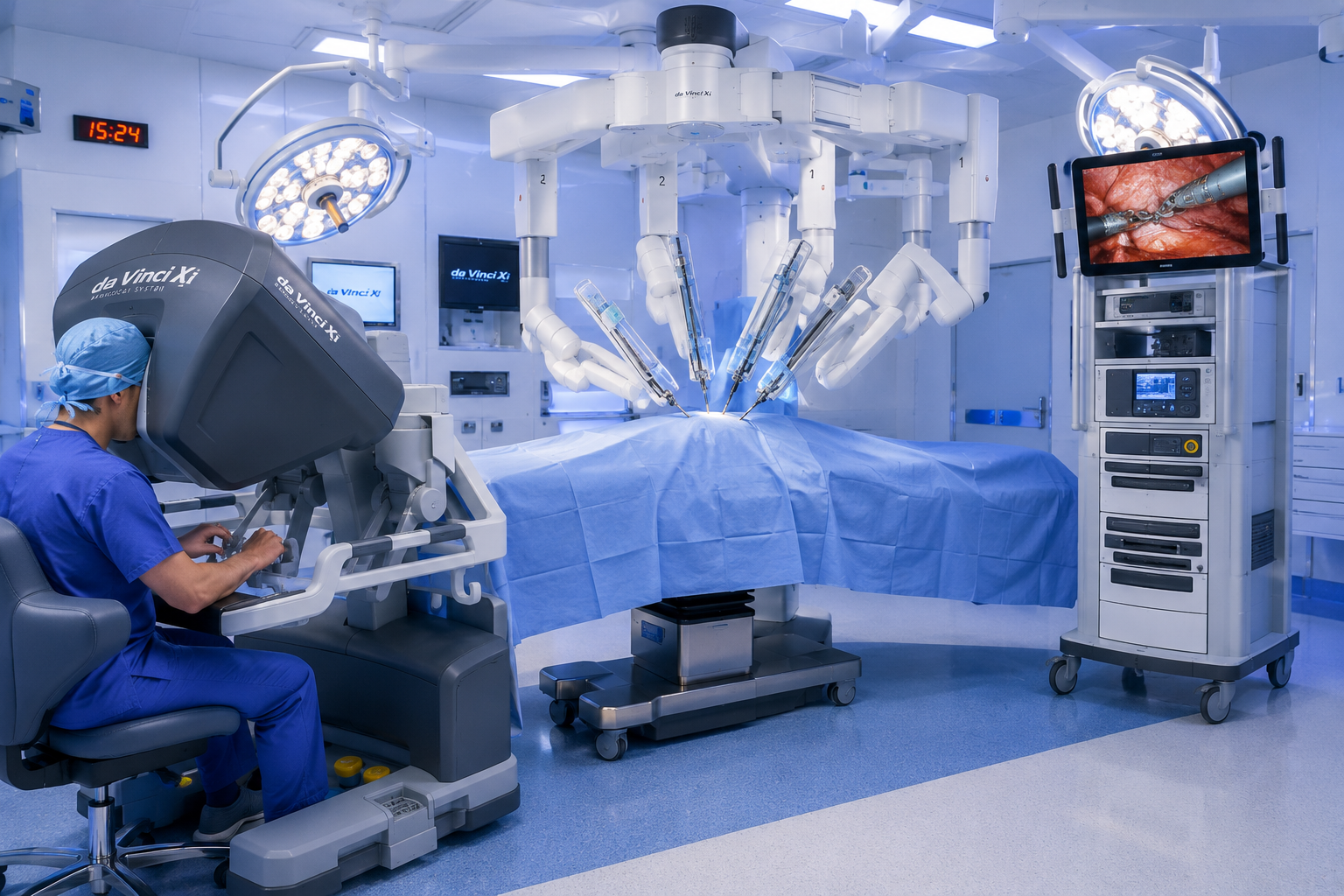
Da Vinci Robotic Surgery
Our Specialists
Meet our experienced specialists dedicated to providing comprehensive and personalized care.



Frequently Asked Questions
Waiting time varies depending on blood group, body size, and urgency. Some patients wait weeks; others may wait months.
In symptomatic advance heart failure heart transplant/LVAD is the only treatment possible. Transplant has risks as well as benefits which is assessed during work up and the risk benefit ratio is explained to the family .Overall 1 year Survival rates after transplant -90%.
Mean survival is around 12-14 years. Younger patients with preserved end organs and medication compliance have seen to live 20 years or more also.
Yes. Lifelong immunosuppressive medicines are essential to prevent rejection.
Most patients return to normal daily activities, travel, and even work within months.
It can be permanent (destination therapy) or temporary (bridge to transplant), depending on patient suitability.
In advanced heart failure: Without transplant or LVAD on medications → 1-year survival may be <40% With LVAD → 75–85% survival at 1 year With Transplant → ~90% survival at 1 year So both therapies dramatically improve survival.